Why soil health is the foundation of a good garden

Most garden problems start underground. Understanding your soil, and working with it rather than against it, makes everything else easier and more successful.

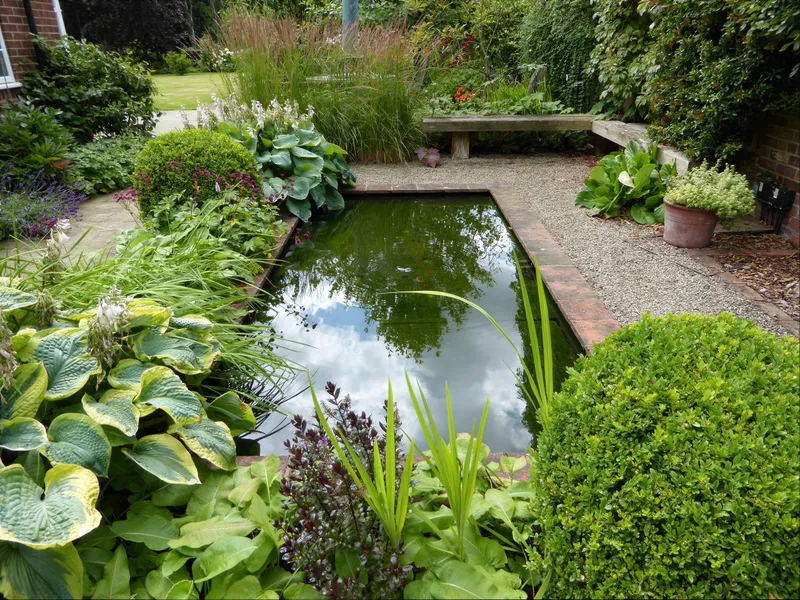
Lush green foliage planting with hostas in a shaded garden

Good soil grows good gardens

Soil health is the foundation of successful garden design, determining which plants will thrive, how much maintenance a garden requires, and how well it performs through Yorkshire's seasonal extremes. Yorkshire has five distinct soil types that gardeners need to understand: Vale of York heavy clay, Harrogate sandstone and gritstone, Wolds chalk and limestone, Dales acid and limestone mosaic, and the Wetherby magnesian limestone belt.

I began my training in horticulture rather than garden design, and the most important thing it taught me was to look down before looking up. The soil is where everything happens.

Healthy soil is alive. It contains billions of microorganisms that break down organic matter, release nutrients, and create the conditions in which plant roots can move, anchor, and feed. Soil that's been compacted, drained of organic matter, or treated repeatedly with chemicals loses this capacity. Plants grown in it will always be struggling, regardless of how good they look in the pot.

The good news is that soil health can be improved. And the improvements, once made, benefit every plant you grow for years to come.

Soil types across Yorkshire

Vale of York, heavy clay. The broad flat area around York is characterised by clay-rich soils: moisture-retentive, fertile when managed well, but slow to warm in spring and prone to waterlogging in wet winters. Clay soils reward patience. They're nutrient-rich and hold water well in drought. The key is improving structure with organic matter over time, and choosing plants that truly tolerate winter wet rather than those that merely 'prefer moisture'. Plants that perform well: Astilbe, Ligularia, Persicaria, moisture-tolerant grasses, many shrub roses. Trees: Alnus, Betula, Salix. Avoid: Mediterranean drought-lovers like Lavender and Cistus in heavy clay without significant amendment.

Harrogate and Nidderdale, sandstone and gritstone. The sandstone and gritstone soils to the west of the A1 corridor tend to be free-draining, slightly acidic, and lower in fertility than the Vale clays. They warm quickly in spring and are kind to a wide range of ornamental plants, including many that struggle in wetter ground. However, they dry out fast in summer and benefit significantly from mulching and organic matter additions. Plants that perform well: Heathers, Rhododendrons, Camellias on the more acidic end, and for neutral-to-acid conditions, Hydrangea, Geranium, Digitalis, many ornamental grasses. Avoid: Plants requiring chalk or alkaline conditions.

The Yorkshire Wolds, thin chalk and limestone. The Wolds soils are characteristically thin over chalk and limestone: free-draining, alkaline, and relatively low in nutrients. They suit a distinct group of plants and present real challenges for gardeners used to working elsewhere. The upside: the natural beauty of chalk downland planting (Scabious, Salvia, Echinacea, Verbascum) is achievable here with minimal intervention. Plants that perform well: Salvias, Echinaceas, Kniphofias, Alliums, Veronicastrum, Sanguisorba. Trees: Prunus, Malus, Sorbus. Avoid: Acid-loving plants. They'll yellow and fail.

The Dales, thin acid and limestone mosaic. The Yorkshire Dales offer the most varied soil profile of all: thin peats over moorland, mineral soils over limestone pavement, and everything between. Garden design in Dales settings requires careful assessment of the specific plot: the same field can have entirely different soil conditions across 50 metres. This is where a proper site assessment matters most.

Wetherby and the A1 corridor, magnesian limestone belt. The ridge running south from Thirsk through Wetherby and down toward Doncaster sits on magnesian limestone: free-draining, alkaline, and often quite shallow over rock. These soils suit a beautiful range of traditional English garden planting and are often underestimated. The challenge is summer drought; the solution is mulching and appropriate species selection.
I began my training in horticulture rather than garden design, and the most important thing it taught me was to look down before looking up. The soil is where everything happens.

Sally Tierney

Simple things that make a real difference

Organic matter, the single most important thing

Adding organic matter to any soil (compost, well-rotted manure, leaf mould) improves its structure, its nutrient content, its drainage in clay, and its moisture retention in sand. It feeds the microbial life that makes soil alive. Applied as a mulch in early spring, it does all of this while also suppressing weeds. Not complicated. Just effective.

Mulching, do it every spring

A five-to-eight centimetre layer of compost or bark mulch applied around plants in late winter or early spring suppresses weeds, conserves moisture through summer, and slowly improves the soil below as it breaks down. Keep it away from plant stems. Renew it annually. An afternoon's work that saves many more.

Compaction, the silent problem

Compacted soil, whether from foot traffic, heavy machinery, or simply years of neglect, can't drain, can't breathe, and roots can't move through it. Before any planting takes place, compacted areas need breaking up, either mechanically or by incorporating organic matter progressively. This is one of the most common issues I find in gardens that are struggling for no obvious reason.

Soil testing, knowing what you're working with

A soil pH test tells you whether your soil is acid, neutral, or alkaline. This single piece of information determines which plants will thrive and which will fail. I offer soil pH testing as part of the garden consultation add-on. It takes a few minutes and the results are genuinely useful for every planting decision that follows.

Soil and planting questions

What are the best plants for clay soil in Yorkshire?

Astilbe, Ligularia, Persicaria, moisture-tolerant grasses, and many shrub roses perform well in the heavy clay of the Vale of York. For trees, Alnus (alder), Betula (birch), and Salix (willow) establish reliably. Avoid Mediterranean drought-lovers like Lavender and Cistus unless the clay has been significantly amended.

What soil type do I have in Yorkshire?

Yorkshire has five main soil types. The Vale of York has heavy, moisture-retentive clay. Harrogate and Nidderdale sit on free-draining, slightly acidic sandstone and gritstone. The Wolds have thin chalk and limestone soils. The Dales are a mosaic of thin acid peats and limestone. The Wetherby and A1 corridor area sits on alkaline magnesian limestone. A soil pH test during a garden consultation will confirm your specific conditions.

How do I improve clay soil for gardening?

Add organic matter (compost, well-rotted manure, or leaf mould) as a mulch every spring. Over time this improves drainage, feeds microbial life, and creates better growing conditions. Address compaction by breaking up hard-packed areas before planting. Clay rewards patience: it's nutrient-rich and holds water well in drought once its structure is improved.

Designing since
1997
Yorkshire soil types
5
Gardens designed
300+
Registered Member
SGLD

What clients say on Google

5 from 31 Google reviews

Independent reviews from people whose gardens I have designed.

  • Andrew Portera year ago
    Competent, conscientious and creative! An RHS employee advised us to use a member of the Society of Garden Designers…because anyone can call themselves a garden designer! Sally has a robust combination of qualifications, experience…and medals, which underpin delivery of a professional yet personal garden design service. Sally has written a book called The Garden Equation, which really resonated with me. Three foundation steps are needed to balance the equation! 1. Experience of the garden - what you want to have, or do, in your garden. 2. Physical conditions - work with nature! 3. Maintenance - tailor the plan to your timeframe! Working through these steps helped us work through our priorities and communicate our preferences. Sally’s objectivity provided us with invaluable insight and a new perspective. Sally’s knowledge and skills have enabled us to transform our space. The gardens were a space we worked in and walked through. Now our two front gardens feel connected, even though they are separated by a road. We feel that our home extends into two beautiful garden rooms, where design underpins purpose and effort is rewarded with enjoyment.
  • Frances Brock3 months ago
    Sally's work was recommended to me initially by a 2 new neighbours, but then we also saw a totally different garden she has designed and really loved the blend of plant knowledge with varied hard landscaping and creativity. Each garden with which she was involved was unique. Our patch was a real challenge for any gardener, having poor drainage, heavy clay, two mature trees just over our fence, and nothing but rough grass. Sally was encouraging, enthusiastic and also realistic. She showed flexibility in her approach, amended the planting as necessary and always communicating clearly and in a timely way. She listens carefully to her clients' needs, hopes and fantasies, and is pragmatic in her approach. She makes clear the various options available, right at the start, so you can commit financially to the level of her input you want with confidence. She's incredibly hardworking when actually creating the garden physically, preparing beds, laying turf sourcing, planting, and she's also very generous with her time and effort. We are thrilled with the transformation achieved in a relatively short time, and cannot recommend her highly enough.
  • Stephen Wilkinson5 months ago
    Excellent garden transformation - highly recommend! We're absolutely delighted with the work Sally has done for us. After extending our house, we lost part of our garden and wanted to make the most of the remaining space, but lacked both the time and knowledge to do it ourselves. Sally was recommended to us and she's been wonderful from start to finish. She presented us with thoughtful ideas and options, then took care of arranging all the work, making the whole process stress-free. The result is fantastic - the garden looks beautiful even now in winter, and we're excitedly looking forward to seeing it come alive in spring and summer. We couldn't be happier and would highly recommend Sally to anyone looking for a skilled and reliable garden designer.

Read all reviews on Google

Start with the soil

If you'd like to understand your soil better before making any planting decisions, a garden consultation with the optional soil testing add-on is the right place to begin.

Book a garden consultation